In modern agriculture and produce distribution, packaging plays a crucial role in maintaining crop quality and reducing post-harvest losses. Among various packaging options, mesh bags have become one of the most widely used solutions for fruits and vegetables due to their breathability, durability, and cost-effectiveness.
However, not all crops require the same type of packaging. Choosing the right mesh bags for different crops can help extend shelf life, improve ventilation, prevent spoilage, and enhance transportation efficiency. Whether you are packaging potatoes, onions, garlic, cabbage, citrus fruits, or other produce, selecting the correct mesh bag specifications is essential.
This guide explains how to choose the right mesh bags for agricultural products, including key considerations such as material type, bag size, mesh density, color, and strength. By understanding these factors, farmers, wholesalers, and produce exporters can select packaging that protects crops while improving supply chain efficiency.
Mesh bags are lightweight packaging solutions typically made from polypropylene (PP) or polyethylene (PE) materials. Their open-weave structure allows air to circulate freely, which helps prevent moisture buildup and spoilage during storage and transportation.
Because of their breathable design, mesh bags are widely used for:
Potatoes
Onions
Garlic
Cabbage
Carrots
Citrus fruits
Firewood and shellfish
Compared with traditional plastic or paper packaging, agricultural mesh bags offer better ventilation, visibility, and durability.
Selecting the correct produce mesh bags is not just about packaging convenience. It directly affects product freshness, transport efficiency, and customer satisfaction.
Many crops continue to respire after harvest. Proper airflow prevents condensation and slows spoilage. Mesh bags provide excellent ventilation that helps maintain freshness.
Poor packaging can lead to bruising, mold, or dehydration. Choosing the correct mesh bag size and strength protects crops during storage and shipping.
Mesh bags allow customers to see the product inside. This transparency increases consumer trust and helps retailers display produce more attractively.
Lightweight mesh bags reduce overall shipping weight while maintaining durability, making them ideal for large-scale agricultural distribution.
Selecting the best mesh bags for crops requires evaluating several important factors.
The most common material used in mesh produce bags is polypropylene (PP) because it offers excellent strength and durability.
Key benefits of PP mesh bags include:
High tensile strength
Lightweight structure
Resistance to tearing
Moisture resistance
Cost-effectiveness
High-quality suppliers such as LANTON PACK manufacture durable agricultural mesh bags designed for long-distance transportation and heavy produce loads.
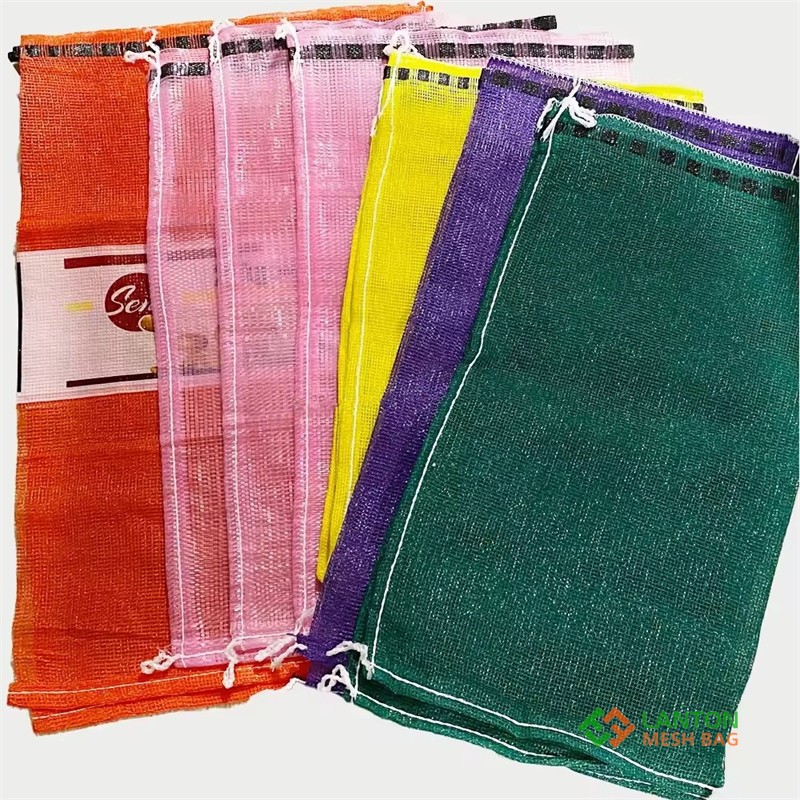
The size of the mesh openings affects airflow and product protection.
Large mesh openings: Best for crops that require strong ventilation such as onions and firewood.
Medium mesh openings: Ideal for potatoes and cabbage.
Fine mesh openings: Suitable for smaller produce like garlic or shallots.
Choosing the correct mesh density ensures crops remain ventilated without falling through the bag.
Mesh bags are available in different sizes depending on the crop and packaging requirements.
Common capacities include:
5 kg mesh bags
10 kg mesh bags
20 kg mesh bags
25 kg mesh bags
50 kg mesh bags
For example:
Potatoes: usually packed in 10–25 kg mesh bags
Onions: commonly packed in 10–20 kg bags
Garlic: often packed in smaller 5–10 kg mesh bags
Selecting the right mesh bag capacity helps optimize transport efficiency and reduce product damage.
Heavy crops require stronger mesh bags. If the bag material is too thin, it may tear during handling or transportation.
Factors affecting strength include:
Yarn thickness
Weaving pattern
Reinforced seams
Drawstring or tie closures
Durable bags reduce packaging waste and minimize losses during shipping.
Mesh bags are available in various colors such as red, orange, yellow, green, purple, and white.
Color is not only aesthetic but also functional.
Examples:
Red mesh bags: commonly used for onions and potatoes
Orange mesh bags: popular for citrus fruits
Yellow mesh bags: often used for garlic
Green mesh bags: used for cabbage or vegetables
Color-coded packaging helps distributors identify products quickly in warehouses and markets.
The closure system affects packaging speed and convenience.
Common closure options include:
Drawstring closure
Sewing closure
Label lock closure
Plastic clip closure
For high-volume packaging operations, drawstring mesh bags offer quick filling and sealing.
Different crops have unique packaging needs. Below are recommendations for selecting the best mesh bags for various agricultural products.
Potatoes require strong, breathable packaging that prevents moisture buildup.
Recommended features:
Medium mesh density
10–25 kg capacity
Strong polypropylene material
Reinforced bottom seam
Red or purple mesh bags are commonly used for potato packaging.
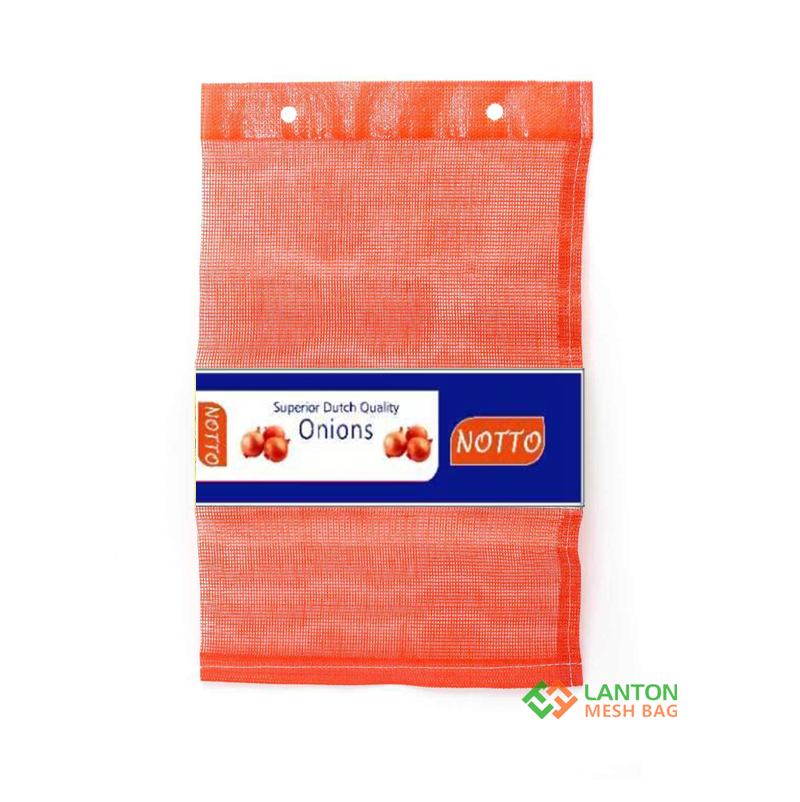
Onions need maximum airflow to prevent rot.
Recommended features:
Large mesh openings
Lightweight material
10–20 kg bag capacity
Drawstring closure
Red mesh bags are widely used in onion distribution.
Garlic bulbs are smaller and require tighter mesh structures.
Recommended features:
Fine mesh openings
5–10 kg bag capacity
Lightweight but durable material
Yellow mesh bags are commonly associated with garlic packaging.
Citrus fruits such as oranges, lemons, and mandarins require protective packaging that prevents bruising.
Recommended features:
Medium mesh density
Smaller retail sizes (1–5 kg)
Soft but durable material
Orange mesh bags are often used to visually match the fruit color.
Leafy vegetables require breathable packaging but also need protection from compression.
Recommended features:
Strong mesh structure
Medium mesh size
10–25 kg capacity
Green mesh bags are often preferred for vegetable packaging.
Investing in high-quality mesh produce bags offers several advantages for agricultural businesses.
Good airflow reduces humidity buildup and helps maintain product freshness during long-distance transportation.
Durable mesh bags can withstand multiple handling stages without tearing, lowering replacement costs.
The transparent design allows buyers to inspect produce quality before purchasing.
Many polypropylene mesh bags are recyclable and reusable, supporting environmentally responsible agricultural practices.
Some manufacturers, including LANTON PACK, provide customized mesh bag solutions tailored for agricultural supply chains.
When sourcing mesh bags for produce packaging, consider the following tips:
Work with experienced manufacturers that specialize in agricultural packaging.
Request product samples to evaluate quality and durability.
Check customization options such as size, color, and labeling.
Ensure consistent supply capacity for peak harvest seasons.
Compare mesh density and material thickness before placing large orders.
Reliable suppliers help ensure packaging consistency and product protection.
Mesh bags are ideal for crops that require ventilation, such as potatoes, onions, garlic, cabbage, carrots, and citrus fruits.
Yes. High-quality polypropylene mesh bags are durable and can often be reused multiple times depending on handling conditions.
The size depends on the crop type and market requirements. Common options include 5 kg, 10 kg, 20 kg, and 25 kg mesh bags.
Yes. The open-weave structure allows air circulation, which helps reduce moisture buildup and extend the shelf life of produce.
Many manufacturers offer customization options including bag size, color, label printing, and closure type.
Choosing the right mesh bags for different crops is essential for maintaining product quality, improving transportation efficiency, and reducing post-harvest losses. Factors such as material type, mesh density, bag size, durability, and color all play important roles in determining the best packaging solution for specific agricultural products.
By selecting appropriate agricultural mesh bags, farmers, wholesalers, and produce exporters can ensure that fruits and vegetables remain fresh and well-protected from harvest to market. High-quality mesh bags not only improve packaging efficiency but also enhance product presentation and customer satisfaction.
As global demand for fresh produce continues to grow, investing in reliable and well-designed produce mesh bag packaging will remain an important step in building an efficient and sustainable agricultural supply chain.

Why Tubular Mesh Bags Are Suitable for Onion and
Drawstring vs Sewn Tubular Mesh Bags: Which Clos
5 Different Ways To Reuse Your Onion Mesh Bags
Contact: kevin Chau/ sherry Lee
Phone: +86-17731708815
Tel: +86-13831776642
Email: info@lantonltd.com
Add: west industrial area , Cangzhou City, Hebei Province, China


